Cost Per Lead for Restoration Companies Explained
Cost per lead (CPL) for restoration companies varies widely depending on the source, but most operators don’t realize how much they’re actually paying per job. Whether leads come from Google Ads, SEO, referral partnerships, or lead platforms, understanding true cost per lead is critical to scaling profitably. If you don’t know your numbers, you’re not controlling your growth – you’re reacting to it.
What Is Cost Per Lead (CPL)
Cost per lead (CPL) is the amount you spend to generate a single inbound inquiry. For restoration companies, this typically means a phone call or form submission from a potential customer needing water damage, fire damage, or mold remediation services.
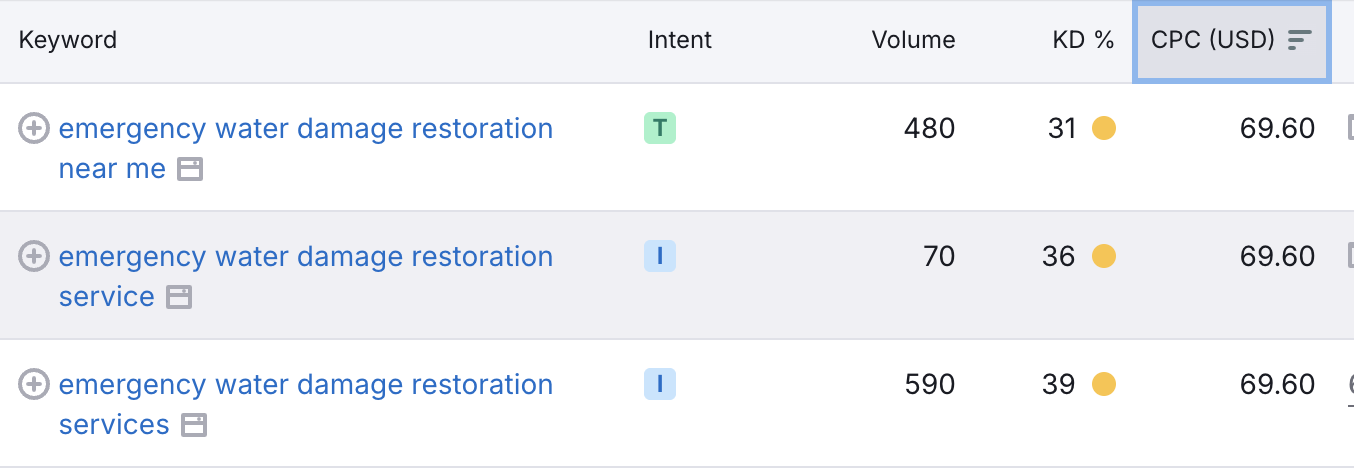
CPL is one of the most important metrics in your business because it directly impacts profitability.
Why CPL Matters for Restoration Companies
- Determines profitability per job
- Impacts marketing scalability
- Reveals inefficiencies in lead sources
- Guides budget allocation
Without understanding CPL, it’s impossible to optimize your marketing strategy.
Average Cost Per Lead by Channel
CPL varies significantly depending on where your leads come from:
- Google Ads: high CPL
- SEO: low long-term CPL
- Lead platforms: high and inconsistent CPL
- Referrals: low CPL
The goal is not just to lower CPL, but to balance cost with lead quality.
Google Ads Cost Per Lead
Google Ads is one of the fastest ways to generate leads, but it comes at a cost.
- High competition for keywords
- Cost per click can be significant
- Requires continuous budget
Typical restoration CPL from ads is often the highest among all channels. Learn more about google ads vs seo restoration.
SEO Cost Per Lead
SEO has a higher upfront investment but produces the lowest long-term CPL.
- Compounding traffic over time
- Higher intent leads
- No cost per click
Understanding restoration seo is key to reducing long-term acquisition costs.
Lead Platform Cost Per Lead
Lead platforms provide immediate leads but often at a premium:
- Shared leads increase competition
- Lower conversion rates
- Unpredictable quality
These platforms can be useful short-term but are difficult to scale efficiently.
Referral Lead Cost
Referral leads typically have the lowest CPL:
- No direct cost per lead
- Higher trust and conversion rates
- Consistent job flow
Building restoration referral partnerships can significantly reduce acquisition costs.
Understanding True Cost Per Job
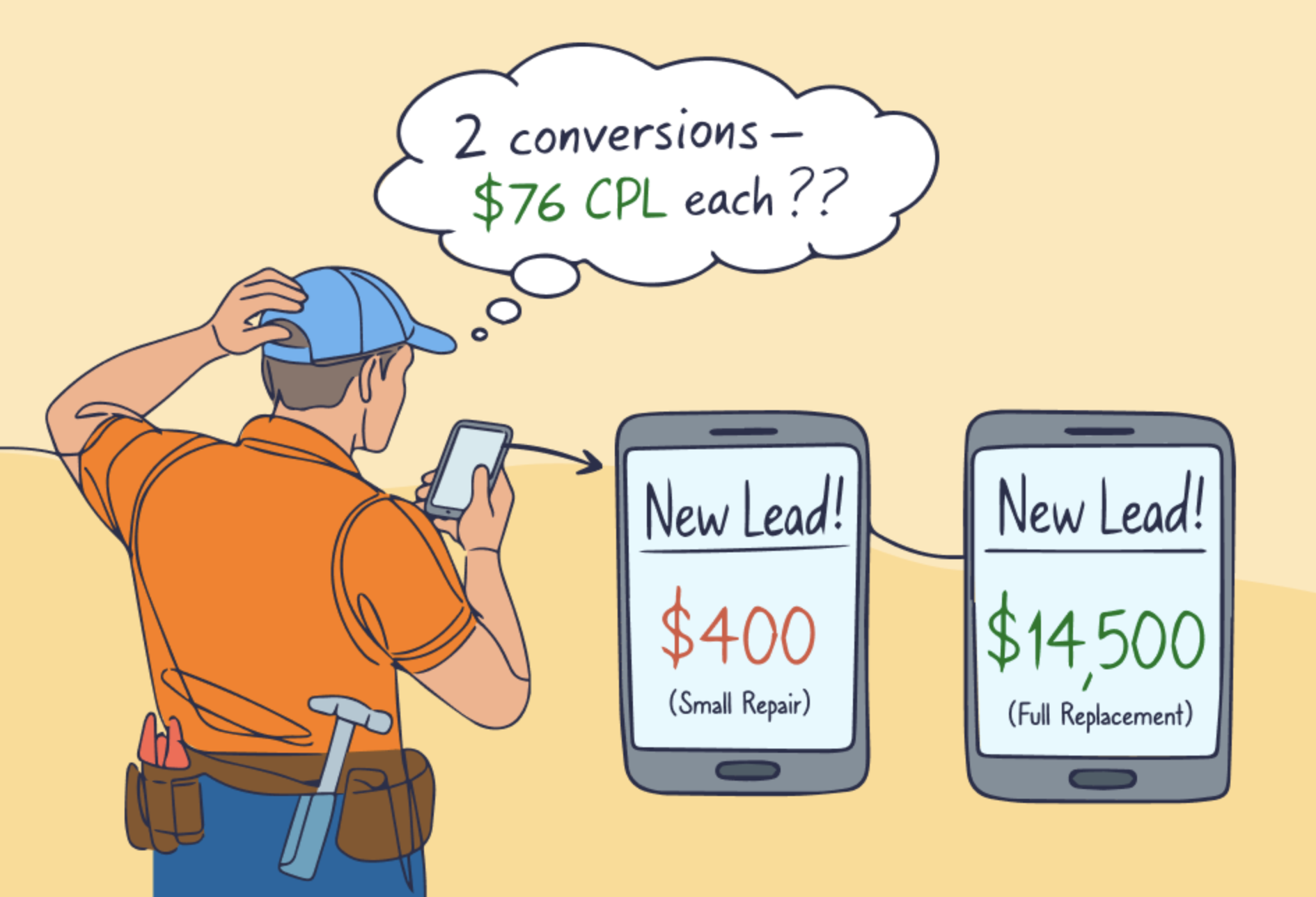
CPL alone does not tell the full story. You must consider:
- Conversion rate from lead to job
- Average job value
- Operational costs
For example, a higher CPL may still be profitable if the leads convert at a higher rate.
How to Reduce Cost Per Lead
- Invest in SEO for long-term traffic
- Improve conversion rates
- Build referral partnerships
- Optimize ad campaigns
Improving conversion optimization for restoration companies can lower CPL without increasing traffic.
Scaling with Lower CPL
Scaling your business requires controlling acquisition costs:
- Expand SEO coverage
- Increase referral pipelines
- Reduce reliance on expensive channels
This aligns with effective restoration marketing strategies.
FAQs
What is a good cost per lead for restoration companies?
It depends on the channel, but lower CPL combined with high conversion rates is ideal.
Is SEO cheaper than Google Ads?
Yes, SEO typically produces lower CPL over time.
Are paid leads worth it?
They can work short-term but are often expensive.
How do I reduce CPL?
By improving SEO, referrals, and conversion rates.
What matters most?
Balancing cost with lead quality and conversion.